Silver Takes the Crown: Why Copper Can't Crack the Conductive Ink Code
By Ryan Banfield, Global Product Manager Thick Film
The answer isn’t just about conductivity—it’s about chemistry, reliability, and practicality. Silver resists oxidation, disperses easily, and forms highly conductive networks, while copper demands costly protective measures. In this article, Ryan Banfield unpacks why silver remains the MVP of conductive inks and what it would take for copper to catch up.
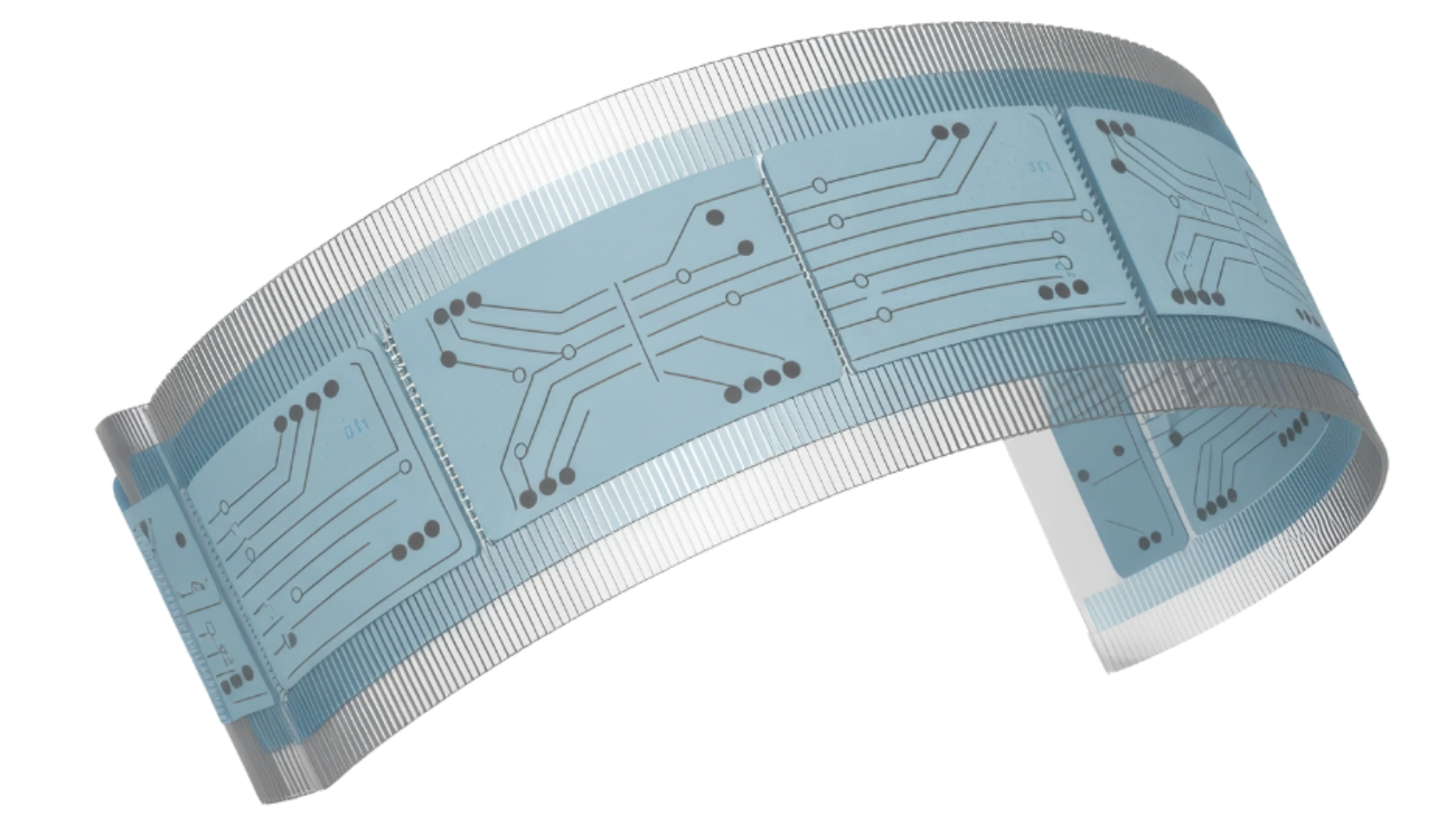
When it comes to flake-based conductive inks for hybrid electronics applications, silver reigns supreme. In fact, if conductive inks had a high school yearbook published in the 60-70’s when the first membrane switch was produced, silver would probably win “Most Likely to Succeed.” Meanwhile, copper flakes, despite being cheaper and having great conductivity on paper, would win an award for “Class Clown”. The question is: why does silver always get the starting spot, and why does copper rarely make it onto the field?
The short answer: stability over time. Silver offers an unbeatable combination of high electrical conductivity and resistance to oxidation as well as having a highly conductive oxide layer. Flake-shaped silver particles disperse well in ink formulations, pack tightly during drying (referred to as packing efficiency), and form highly conductive networks once cured. Most importantly, silver doesn’t readily oxidize in air as fast as copper. That means a printed silver trace maintains its shiny conductivity for years without needing special protection (no, I am not implying you don’t need an overcoat…).
Copper, on the other hand, oxidizes faster than you can say “tarnish,” and once copper oxide forms, conductivity drops dramatically. In flake-based systems, where a large surface area of the filler is exposed, oxidation is practically unavoidable unless extreme steps are taken.
Cost is another obvious factor. Silver is more expensive than copper, and if the world were perfect, copper might seem like the better choice. After all, copper is nearly as conductive as silver and far cheaper per kilogram. The problem is that keeping copper flakes stable requires protective coatings, special processing environments, or elaborate encapsulation technologies. These steps add cost, complexity, and sometimes compromise performance.
By the time you’ve jumped through all the hoops to make copper work, silver often ends up being less expensive in practice because it’s reliable right out of the gate. Think of it like buying a car: sure, the older used model looks cheaper on the lot, but if you need to rebuild the engine every month, was it really a deal?
Performance in real-world printing also tips the scale in silver’s favor. Silver flakes offer excellent dispersion, lower resistivity, and compatibility across multiple curing methods. Whether you’re printing fine interconnects, RFID antennas, medical sensors, or flexible circuits, silver consistently delivers the conductivity required without babysitting. Copper flakes, however, tend to clump, oxidize, and lose conductivity unless heavily engineered. The ability to disperse easily gives our R&D team a lot more tools in their toolbox to make an ink without worrying about the impacts formulation changes would have on the stability of the filler in a wet form. And while research continues into stabilizing copper for inks, silver’s track record is hard to beat—like the reliable friend you call when you need help moving, while copper is the one who says they’ll come but never shows up.

In the end, silver dominates flake-based conductive inks not because copper lacks potential, but because silver is the only filler that checks all the boxes: high conductivity, chemical stability, printability, and long-term reliability. Until someone cracks the code on oxidation-resistant copper flakes that can be mass-produced economically, silver will remain the metal of choice. Copper may look tempting on the periodic table (and definitely at the accountant’s desk), but in the world of conductive inks, it’s silver that keeps everything running smoothly.
About Ryan Banfield
With 25 years of industry experience in various capacities such as manufacturing, R&D, sales, business development, operations, and customer engagement, Ryan Banfield is a seasoned professional with a thorough understanding of the global market. Currently he is serving as the Global Product Manager for polymer thick film materials at Heraeus Electronics in Conshohocken, PA.
Ryan embarked on his remarkable journey at a young age, launching his first commercial product at the age of 16, based on an old patent for the first phone. His dedication and passion for understanding end use market trends have driven him to educate customers and share insights at various trade shows. Additionally, Ryan has established support and technical solutions centers, authored articles published in multiple languages globally, and contributed as a consultant for standards development. Notably, his valuable contributions led to the receipt of the Swormstedt award for one of his published articles.
Ryan is also a staunch advocate for the advancement of additive manufacturing and continues to leverage his expertise to drive innovation and excellence in the industry.