Enabling Deeper Drilling Through Advanced Electronic Materials
Advanced electronic materials are essential for achieving reliable performance in extreme downhole environments. By leveraging innovative solder pastes, bonding wires, and thick film pastes, operators can push drilling depths while maintaining system integrity. Choosing the right joining technology ensures durability, efficiency, and cost-effectiveness throughout the product lifecycle. In this article, Ryan Persons, Head of Technical Solutions, gives valuable insight into these materials and their role in deeper drilling.

The exploration of underground energy sources such as oil, gas, and geothermal energy increasingly requires deeper drilling wells. These environments expose downhole equipment to extreme conditions, often exceeding +200 °C, where high-performance electronics must operate reliably for as long as possible. To meet these demands, robust and reliable interconnect materials are essential for ensuring the stability and longevity of sensitive electronics used to push the technology to extreme depths.
Traditional interconnect approaches—both active and passive—offer varying benefits and limitations. Traditional systems provide dynamic cooling but add complexity and cost, while passive systems rely on insulation and heat dissipation materials, which can be constrained by space and thermal conductivity. Additionally, shielding against high external heat flux remains a critical challenge.
Heraeus Electronics delivers advanced material solutions that enable electronics to withstand these extreme conditions.
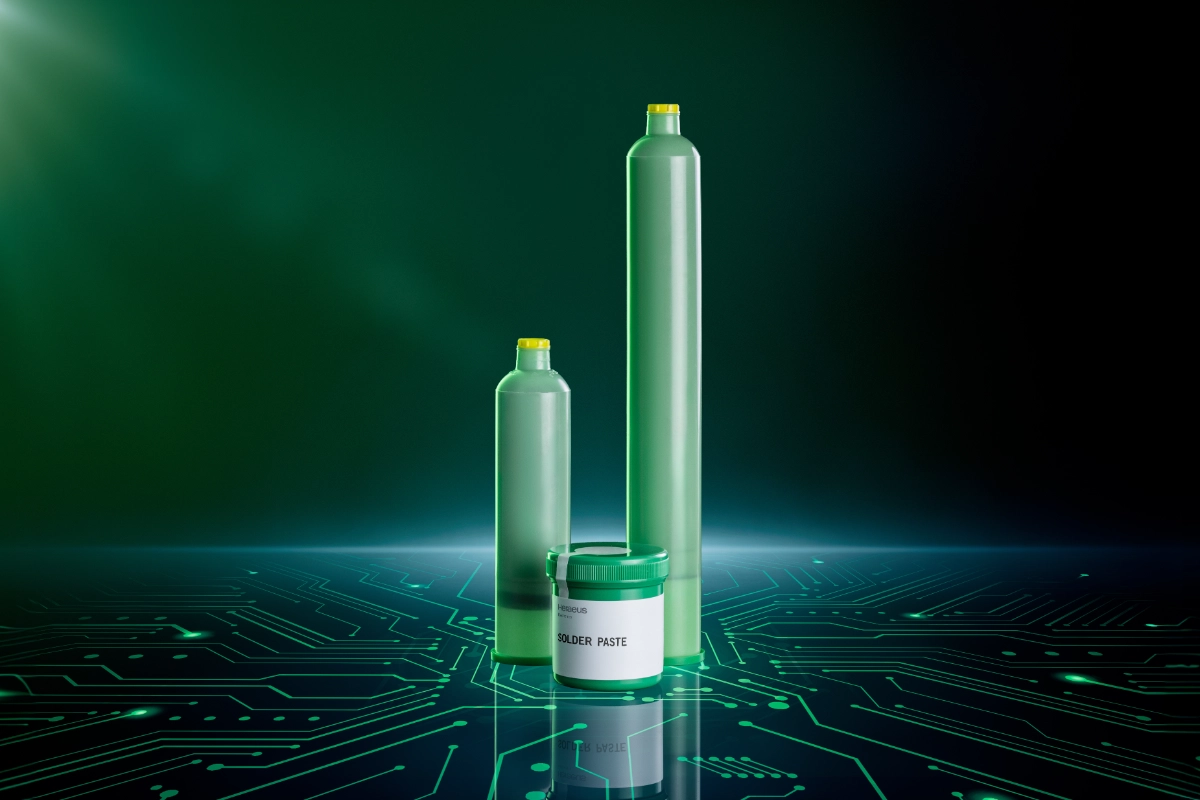
Solder Pastes
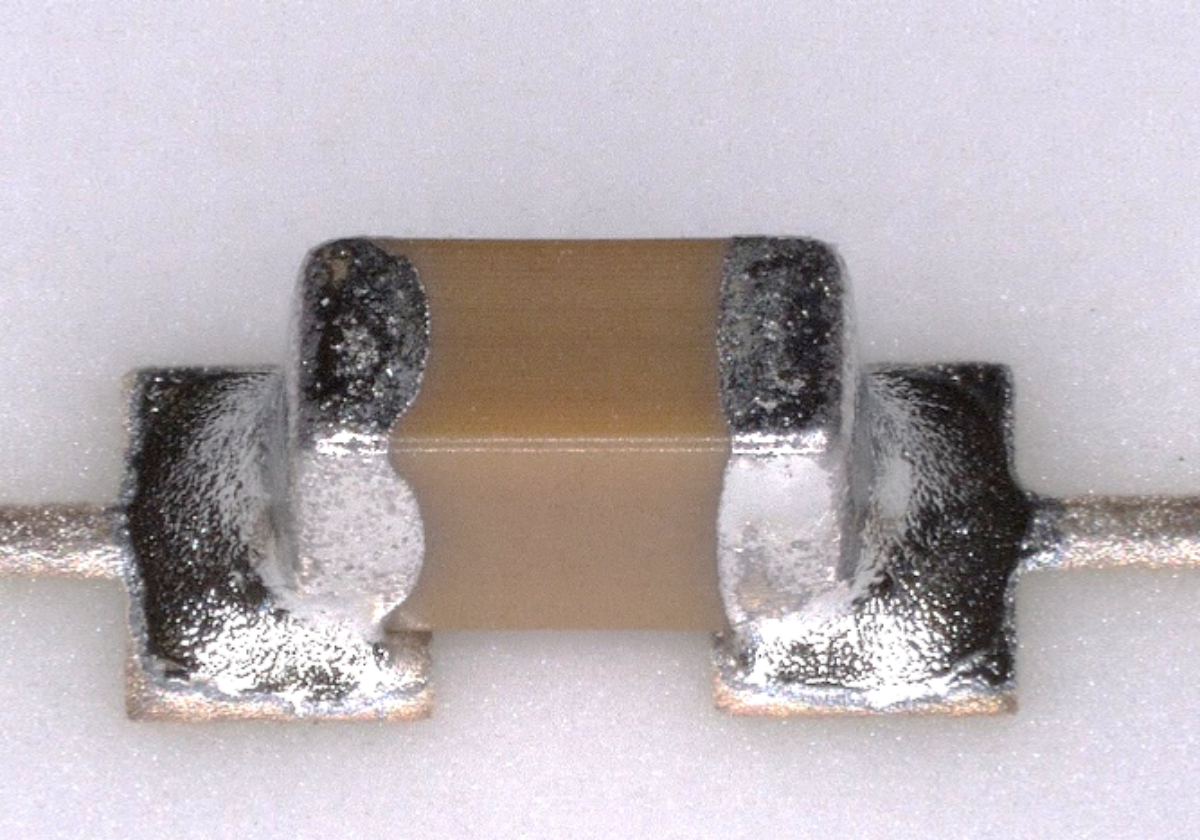
Role: Used to solder components like capacitors, chip resistors, microcontrollers, power modules, and sensor chips to electronic circuit boards within sealed drill housings.
Example: In rotary steerable systems, high-reliability solder pastes need to provide robust solder joints that have to withstand vibration and temperatures above 200 °C without suffering from creep or fatigue failures.
Benefit: Elevated melting points and dopants ensure strong, durable connections even during extended or multiple drilling operations.
Bonding Wires
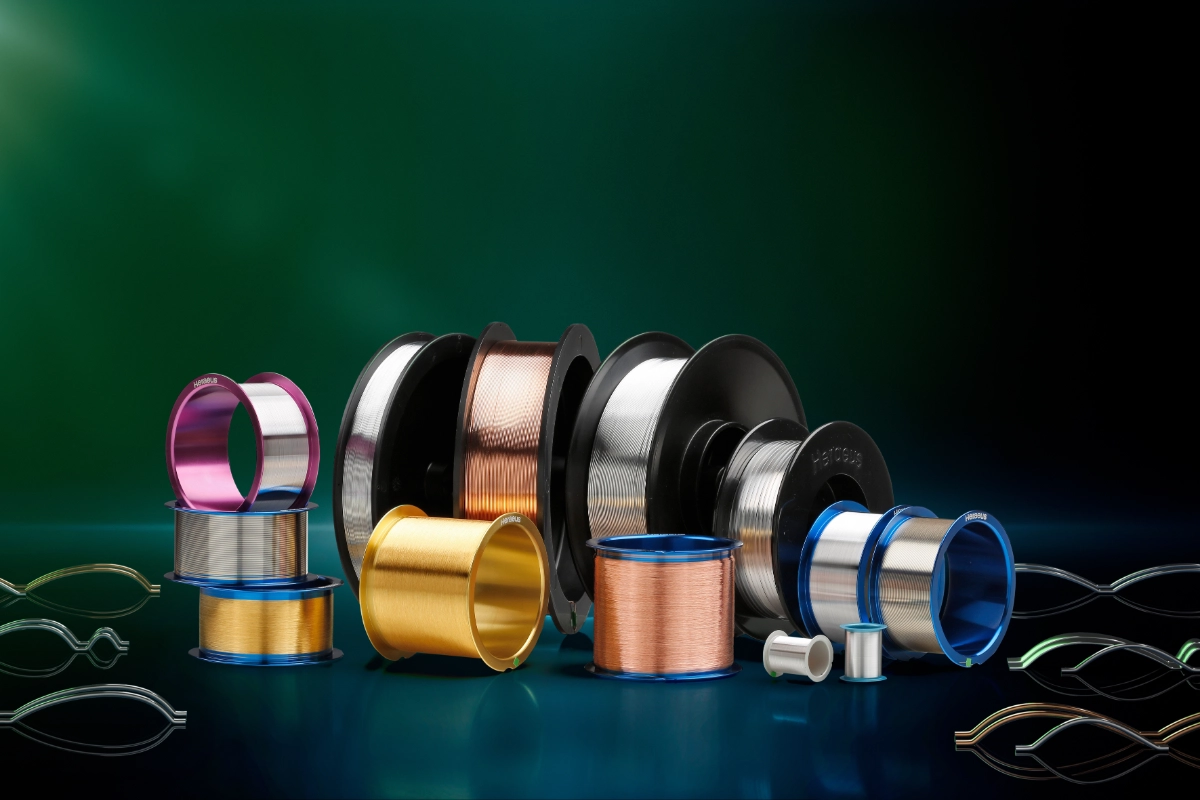
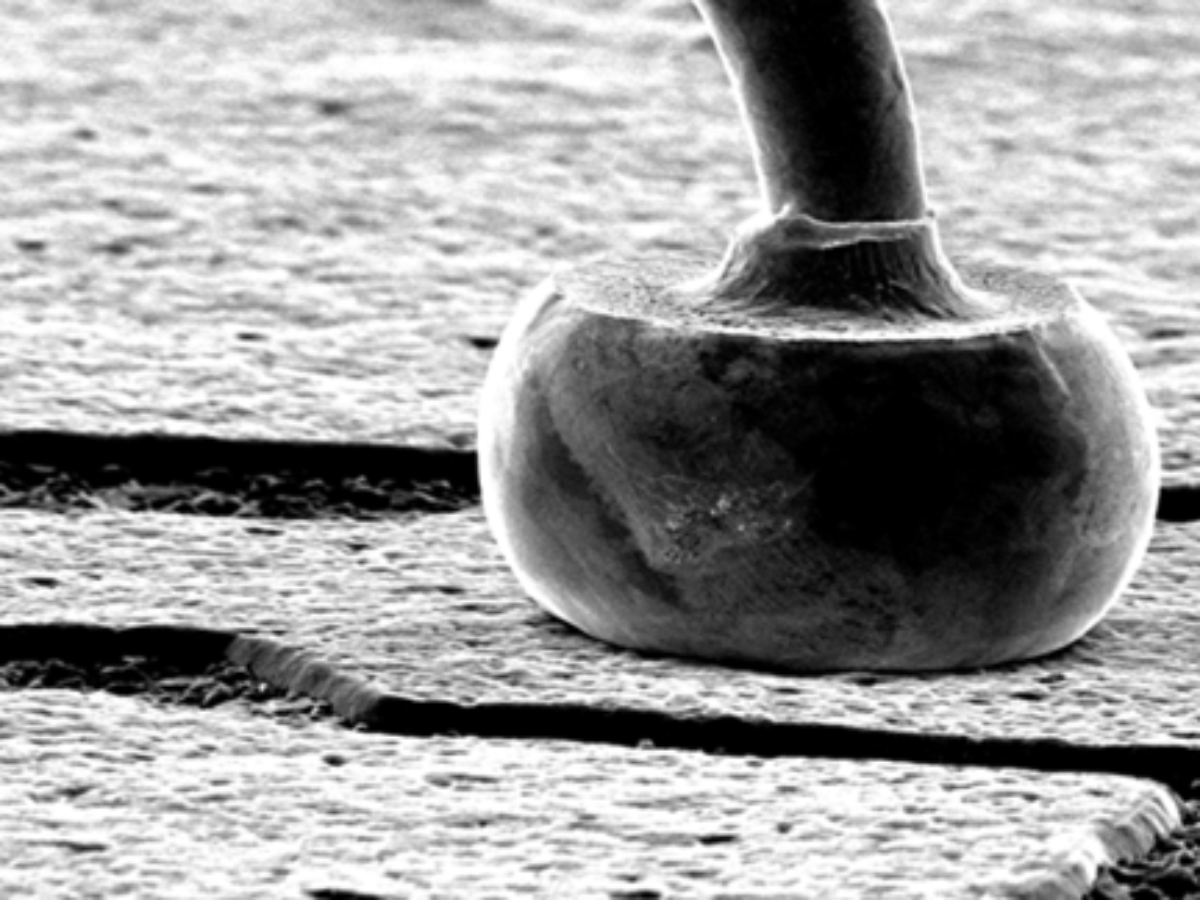
Role: Au bonding wires are commonly used in semiconductor housings/packages including pressure sensors, signal processors, and telemetry chips that need to operate at temperatures exceeding 200 °C.
Example: In downhole telemetry modules, Au bonding wires maintain electrical conductivity and mechanical strength despite exposure to extreme temperatures, high pressure, and vibration endured by the electronics during operation.
Benefit: Their oxidation resistance and ductility prevent breakage, enabling continuous signal transmission from deep wells.
Thick Film Pastes
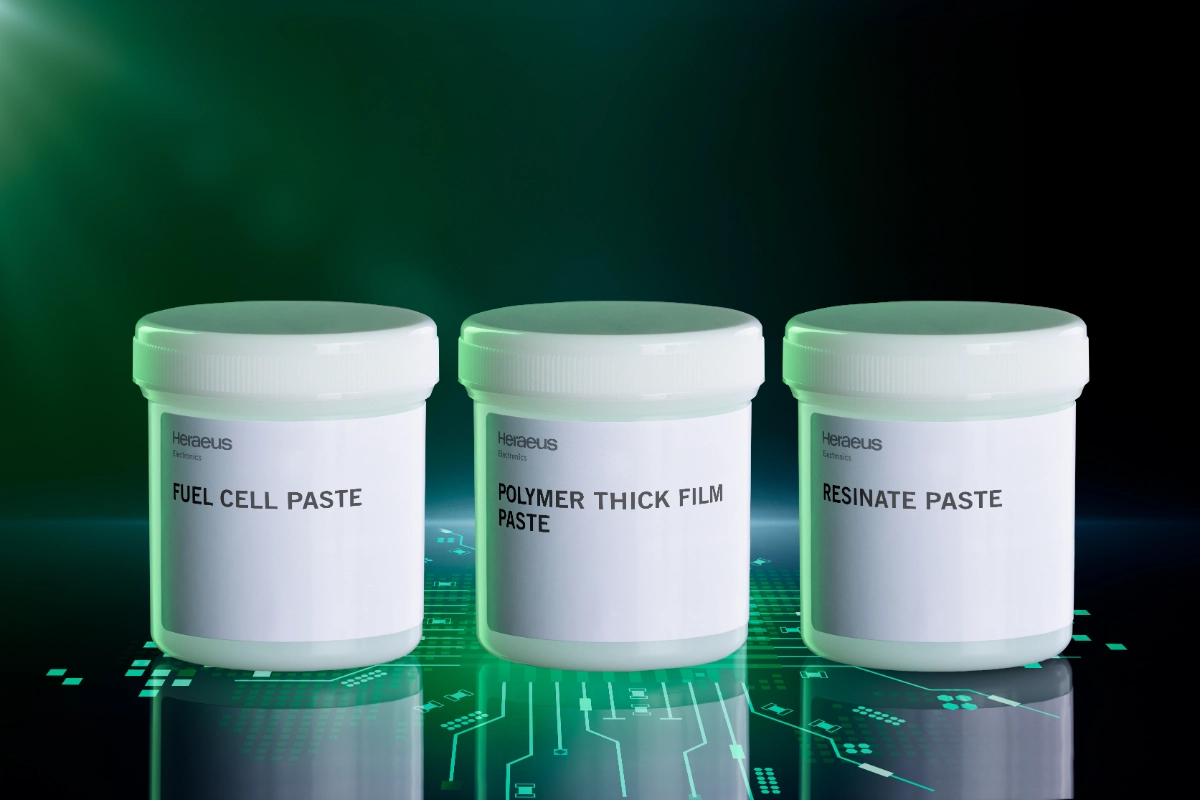
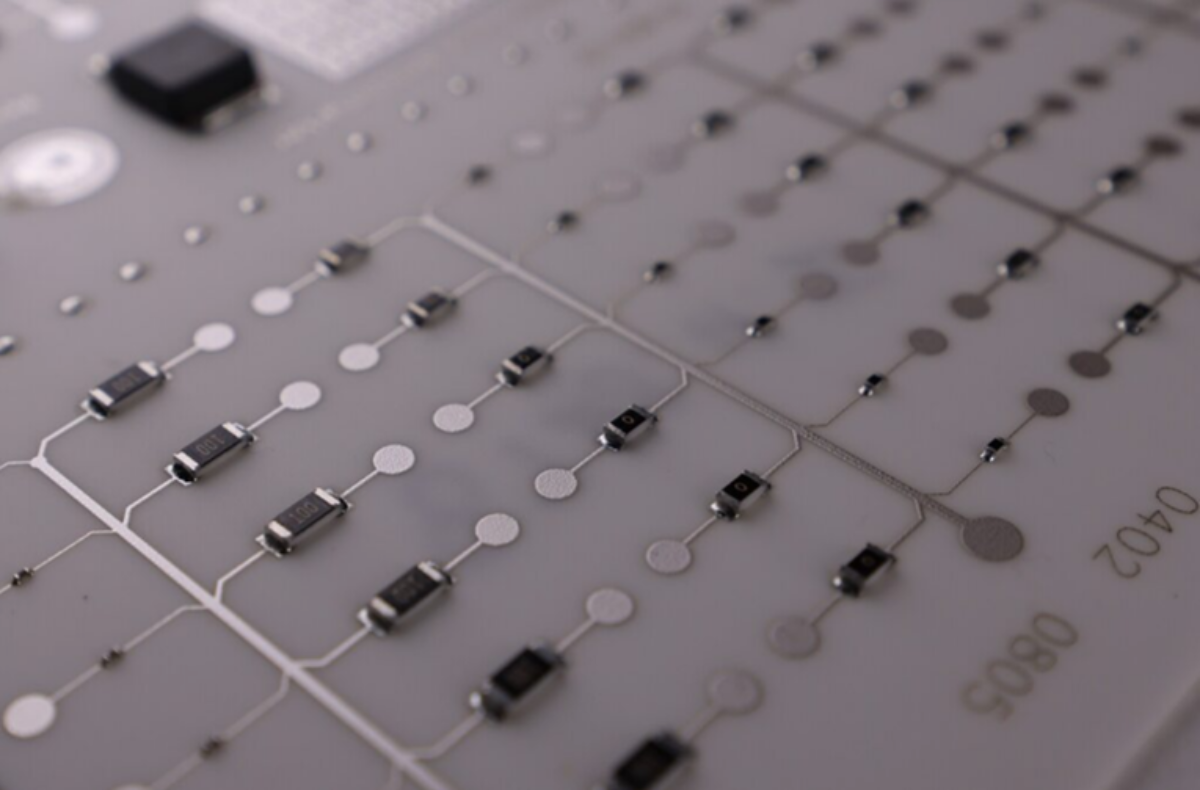
Role: Thick film pastes are screen-printed onto ceramic substrates (bare and LTCC/HTCC) inside electronic housings to create circuits which will reliably operate at higher temperature compared to traditional PCBs. In addition to circuits, thick film pastes enable high-temperature operation of surface-mount components like chip resistors, multilayer co-fired ceramic components, and sensors.
Example: In Measurement-While-Drilling (MWD) tools, ceramic boards coated with thick film pastes maintain signal integrity for pressure and temperature sensors at depths exceeding 2,500 m.
Benefit: Their high adhesion and thermal stability prevent cracking or delamination under thermal cycling, ensuring reliable data transmission in harsh environments.
By combining these materials, Heraeus enables electronics to withstand prolonged exposure to extreme heat without degradation, allowing energy companies to drill deeper and access previously unreachable reserves. These solutions not only enhance thermal management but also lower total cost of ownership by minimizing downtime and maintenance.
As the industry moves toward next-generation downhole tools, integrating robust thermal solutions, like those from Heraeus Electronics, will be pivotal in achieving greater depth, efficiency, and reliability.
About Ryan Persons
Ryan Persons leads the charge in advancing materials that solve today’s toughest challenges. With over 15 years at Heraeus Electronics, he has transformed complex engineering needs into practical, high-performance solutions for customers worldwide.
From power electronics to advanced packaging, Ryan’s expertise ensures materials innovation that drives reliability, efficiency, and sustainability in everyday applications. His collaborative approach and commitment to continuous improvement make him a trusted partner for customers seeking cutting-edge technologies that deliver real-world impact.