Capacitive Touch Sensors
At their core, these sensors rely on a simple physical principle: capacitance, the ability to store an electrical charge. Each sensor pad creates an electric field that slightly changes when something conductive (like your fingertip) comes close. That tiny change is detected by the control electronics, which instantly interprets it as a “touch.” In essence, it’s an elegant dance between physics and precision materials — one that turns an ordinary surface into an intelligent interface.
So how are they made?
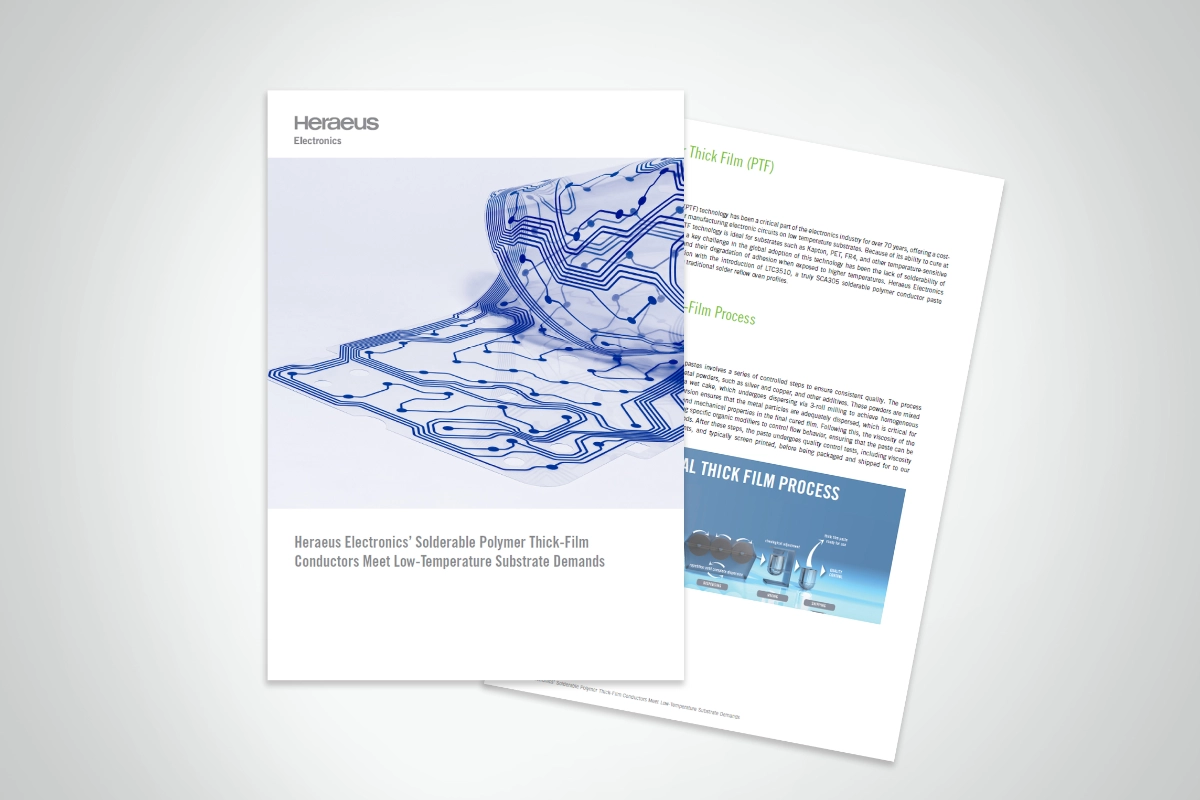
Capacitive touch sensors are typically produced utilizing additive technologies (like screen printing) by printing fine conductive patterns, often using silver inks, onto flexible polymer films or rigid substrates. These printed electrodes are sandwiched beneath the substrate — such as glass, PET, or polycarbonate — and a protective coating that can be UV or thermally cured. This simple circuit is then connected to an electronic controller. The result is a robust, sealed interface that’s not only sleek and modern but also highly reliable, even in harsh environments.
For those of us with a Maker flair, you can make a capacitive touch sensor with some aluminum foil and an Arduino microcontroller. Simply connect the strip of aluminum foil to two digital pins on the Arduino, install the Capacitive Sensor library, and specify the pins your foil sensor is connected to. There is a plethora of videos on YouTube with a simple Google search that can walk you through the process.

Hidden stars of modern product design:
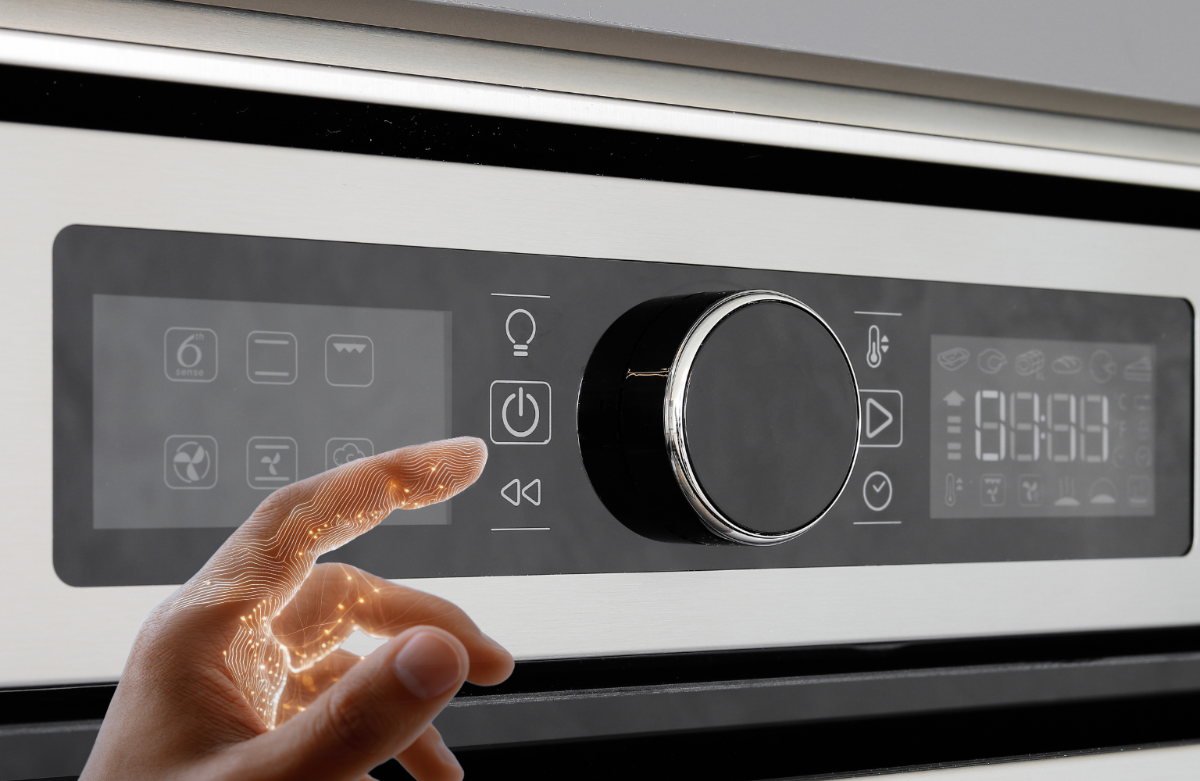
That’s why capacitive touch technology has become a favorite in white goods and automotive interiors, where design and durability go hand in hand. Think of oven panels that stay easy to clean, or car infotainment systems that respond with precision even through gloves. The combination of printed conductive materials, sensor design optimization, and advanced microcontrollers makes these applications possible, delivering both performance and style.
In short, capacitive touch sensors may hide beneath the surface, but they’re the stars of modern product design. The next time your cooktop or console lights up at your touch, remember it’s not magic — it’s the perfect fusion of material science, engineering, and just a little bit of conductive charm.
About Ryan Banfield
With 25 years of industry experience in various capacities such as manufacturing, R&D, sales, business development, operations, and customer engagement, Ryan Banfield is a seasoned professional with a thorough understanding of the global market. Currently he is serving as the Global Product Manager for polymer thick film materials at Heraeus Electronics in Conshohocken, PA.
Ryan embarked on his remarkable journey at a young age, launching his first commercial product at the age of 16, based on an old patent for the first phone. His dedication and passion for understanding end use market trends have driven him to educate customers and share insights at various trade shows. Additionally, Ryan has established support and technical solutions centers, authored articles published in multiple languages globally, and contributed as a consultant for standards development. Notably, his valuable contributions led to the receipt of the Swormstedt award for one of his published articles.
Ryan is also a staunch advocate for the advancement of additive manufacturing and continues to leverage his expertise to drive innovation and excellence in the industry.